

 Send Inquiry
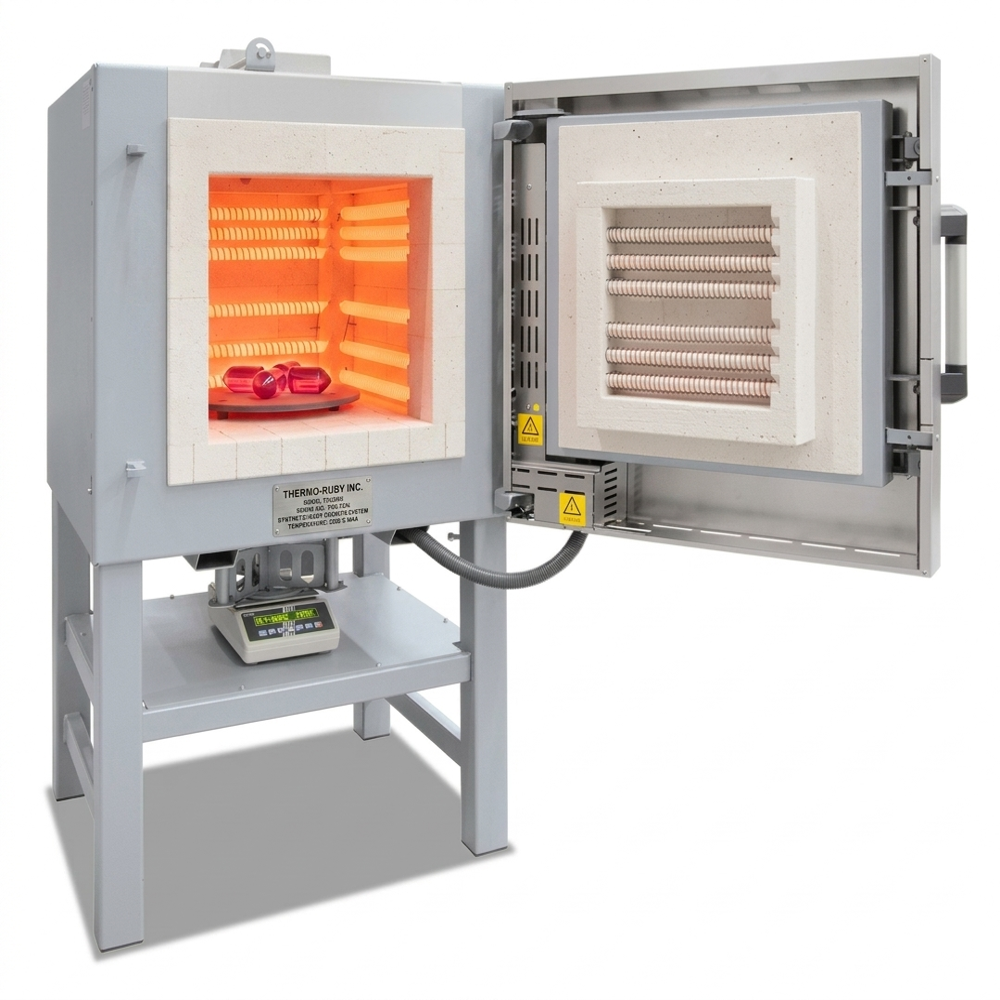
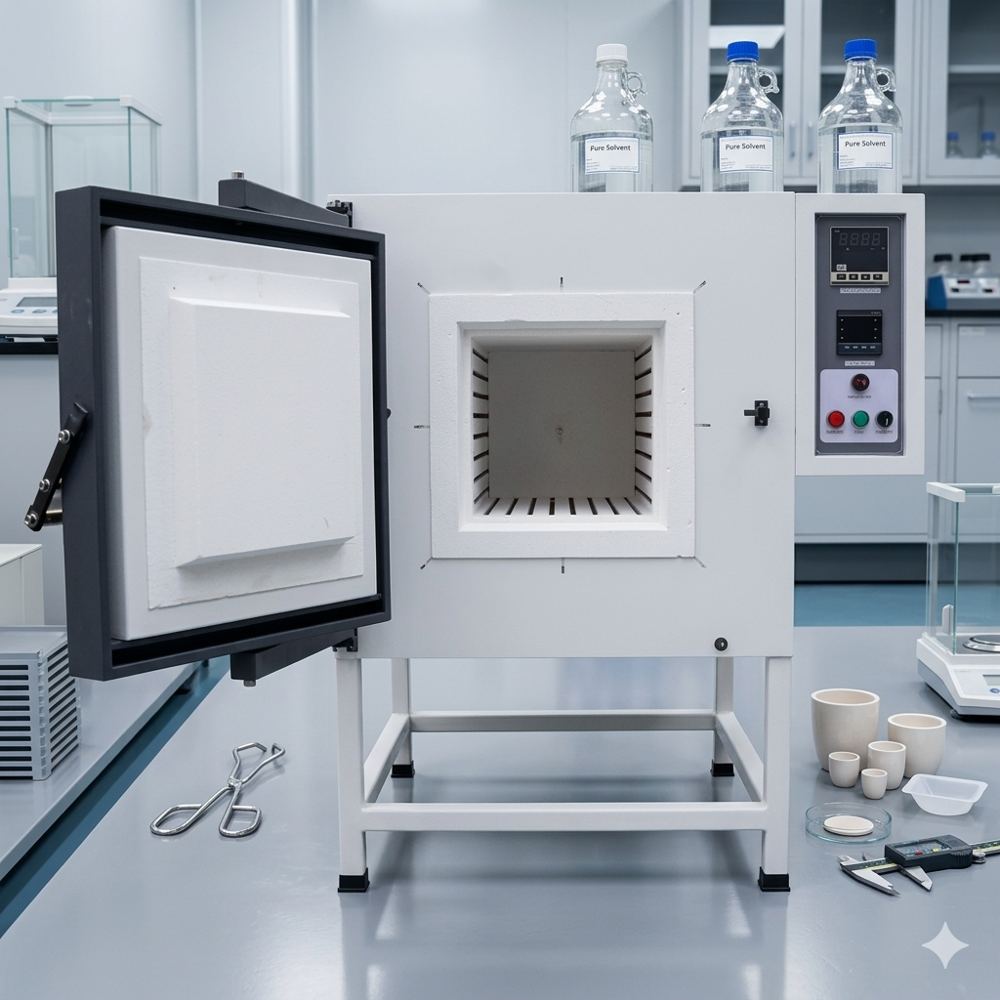
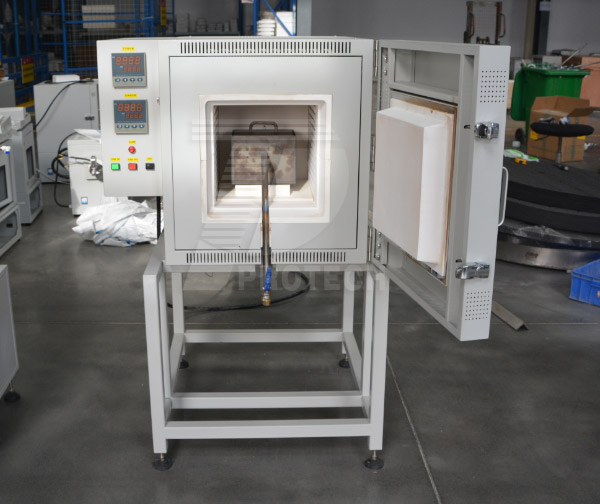
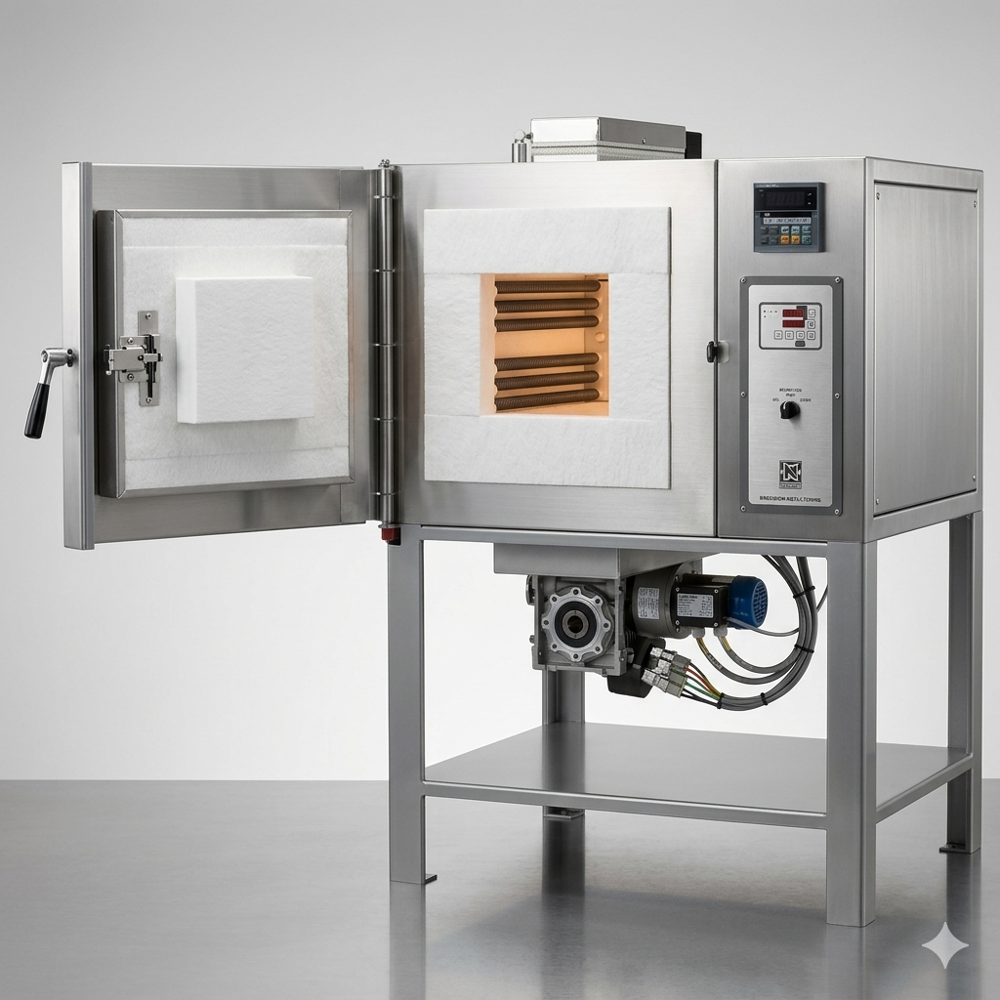
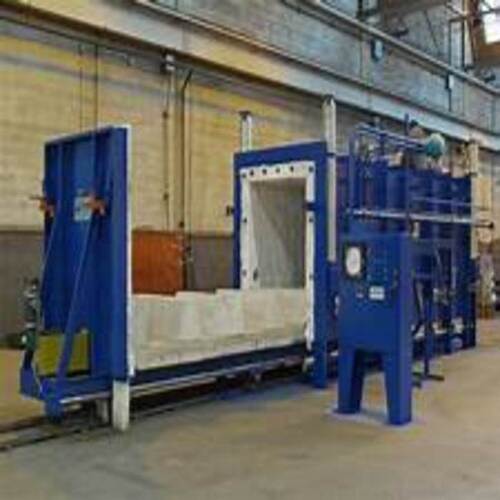
lab furnaces
Price 1500000 INR/ Number
lab furnaces Specification
- Rating
- High Temperature Resistant
- Feature
- Programmable Temperature Control, Overheat Protection
- Condition
- New
- Type
- Electric Lab Furnace
- Usage
- Laboratory & Research
- Power
- 2 kW - 12 kW
- Voltage
- 220V/380V
- Size
- Standard/Customizable
- Dimensions
- Varies by Model
- Weight
- Approx. 35 - 150 kg
- Application
- Material Testing, Heat Treatment, Ashing, Ceramic
- Fuel Type
- Electric
- Capacity
- 1 L to 50 L
- Temperature Uniformity
- 1C at Set Point
- Insulation Thickness
- 75 mm - 110 mm
- Surface Finish
- Powder Coated/Stainless Steel
- Chamber Material
- High Grade Ceramic Fiber
- Door Type
- Front Loading, Safety Interlock
- Installation
- Bench Top/Floor Model
- Controller Type
- Digital PID Controller/Timer
- Safety Features
- Automatic Shutoff, Safety Switches
- Display
- Digital LED/LCD
- Temperature Range
- Up to 1200C - 1800C
- Accessories
- Crucible Holder, Sample Tray, Tongs
- Heating Element
- Kanthal/Nichrome/Wire/SiC Rods
lab furnaces Trade Information
- Minimum Order Quantity
- 1 Number
- Sample Policy
- Contact us for information regarding our sample policy
lab furnaces About
4o mini
You said:
ChatGPT said:
A lab furnace is a specialized high-temperature device designed for laboratory use, providing precise heat control to conduct a variety of scientific experiments and processes. These furnaces are essential in research, testing, and small-scale production, catering to fields such as material science, chemistry, metallurgy, and biology.
Key Features:
-
High-Temperature Range: Lab furnaces are capable of reaching temperatures ranging from 300C (572F) to 1,800C (3,272F), depending on the model. This makes them suitable for processes like sintering, annealing, ashing, and chemical analysis.
-
Compact Design: Unlike industrial furnaces, lab furnaces are compact and portable, designed to fit into laboratory environments without taking up excessive space.
-
Precise Temperature Control: Lab furnaces are equipped with advanced digital controllers, thermocouples, and PID controllers, ensuring accurate and stable temperature regulation. This is essential for experiments requiring precise thermal conditions.
-
Insulation: High-quality thermal insulation materials like ceramic fiber or mineral wool are used to minimize heat loss and maintain a consistent internal temperature while ensuring energy efficiency.
-
Variety of Types: Lab furnaces come in different forms, including muffle furnaces (ideal for ashing or material testing), tube furnaces (for processes like annealing and sintering), and vacuum or inert gas furnaces (for controlled atmospheres during high-temperature processes).
-
Safety Features: Safety mechanisms such as over-temperature protection, automatic shut-off, ventilation systems, and thermal cutoffs are built in to protect both the user and the equipment.
-
Wide Applications: Lab furnaces are used for a wide array of applications, including heat treating metals, ceramics, glass, testing chemical reactions, conducting material analysis, and firing or drying various substances.
-
Ease of Use: Many lab furnaces are designed with user-friendly interfaces and simple controls, making them suitable for laboratory staff without specialized training. They often include digital displays for real-time temperature monitoring.
Applications:
- Material Testing: Used for analyzing materials under controlled heating conditions to study their properties.
- Sintering and Heat Treatment: For metals, ceramics, and other materials to alter their physical or chemical properties.
- Ashing and Combustion: To determine the ash content of samples by burning them at high temperatures.
- Chemical Analysis: In laboratories to test reactions and processes under controlled thermal conditions.
Lab furnaces are indispensable tools in research, development, and quality control, providing precise, reliable heat for a wide range of scientific experiments and industrial applications.
Superior Thermal Performance
Designed for demanding laboratory environments, this furnace achieves temperatures up to 1800C while maintaining 1C uniformity, ensured by advanced digital PID control. The high-grade ceramic fiber chamber and precise heating elements optimize thermal insulation and rapid heat distribution, which helps deliver consistent results for critical research and material testing processes.
Robust Safety Features
The lab furnace integrates comprehensive safety technologies, such as automatic shutoff, safety switches, and interlocks. These features minimize risks during operation, while the programmable controller and digital display offer secure and simple management of temperature settings. Enhanced insulation and powder-coated or stainless steel finishes contribute to safe, prolonged use.
Flexible Design & Accessories
Available in standard and customizable dimensions, this furnace suits varied laboratory setups and requirements. With bench-top and floor options, plus included accessories-sample trays, crucible holders, and tongs-users enjoy effortless installation and handling. The adaptable power (2-12 kW) and voltage choices (220V/380V) maximize compatibility for labs across India.
FAQ's of lab furnaces:
Q: How is temperature uniformity maintained in this lab furnace?
A: Temperature uniformity is achieved through precise digital PID controllers and premium heating elements. This ensures a consistent environment, allowing for accurate material processing with 1C variation at the set point.Q: What materials can be tested or processed using this furnace?
A: It is ideal for material testing, heat treatment, ashing, and ceramic applications. The broad temperature range (up to 1800C) and superior chamber construction make it suitable for various research and development tasks in laboratories and industrial settings.Q: When should I use the automatic shutoff and safety switches?
A: Automatic shutoff and safety switches are integral to daily operations, activating when overheating or unsafe conditions are detected. These features safeguard both operators and equipment, ensuring reliable and secure furnace functioning.Q: Where can this furnace be installed within a laboratory?
A: The furnace is designed for flexible installation as a bench-top or floor model. Depending on capacity and laboratory space, it can be placed on sturdy workbenches or freestanding platforms to accommodate workflow requirements.Q: What is involved in the process of setting and monitoring temperature?
A: Users set the desired temperature and process time using the digital PID controller, which maintains parameters throughout their experiment. The digital LED/LCD display allows continuous monitoring, while programmable settings ensure repeatable conditions.Q: How does the insulation thickness benefit furnace operation?
A: Insulation thickness ranges from 75 mm to 110 mm, providing exceptional thermal retention and energy efficiency. This minimizes heat loss, improves safety, and supports consistent high-temperature performance.Q: What accessories are included, and how do they enhance usage?
A: Included accessories-such as crucible holders, sample trays, and tongs-facilitate safe material handling and easier sample processing, allowing users to work efficiently while minimizing risk of burns or contamination.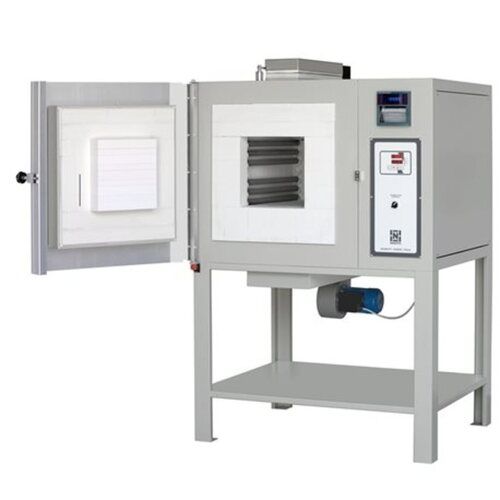

Price:
- 50
- 100
- 200
- 250
- 500
- 1000+

More Products in Industrial Furnace Category
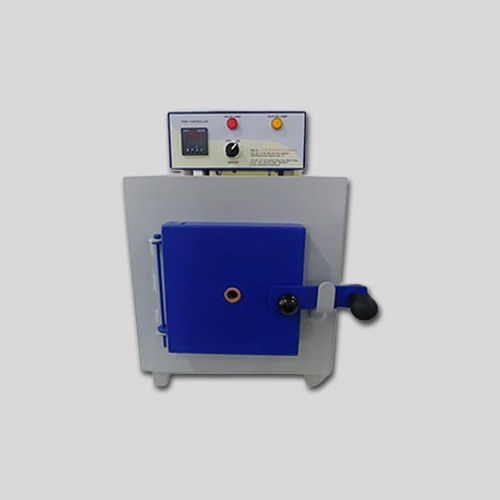
Automatic Muffle Furnances
Price 950000 INR / Unit
Minimum Order Quantity : 10 Units
Feature : High Quality
Usage : Heat Treatment furnace
Condition : New
Size : Different Sizes Available
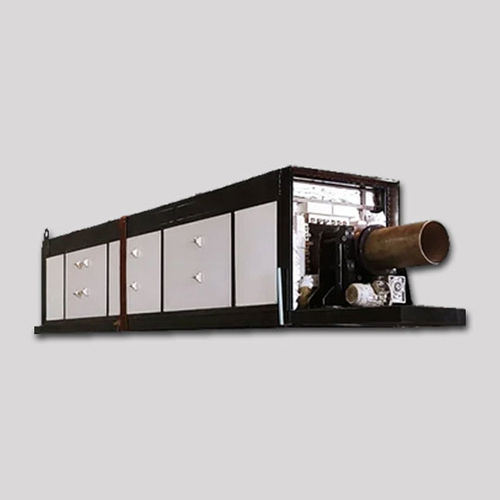
Electric Rotary Furnaces
Price 3500000 INR / Unit
Minimum Order Quantity : 1 Number
Feature : High Quality
Usage : Heat Treatment furnace
Condition : New
Size : Different Sizes Available
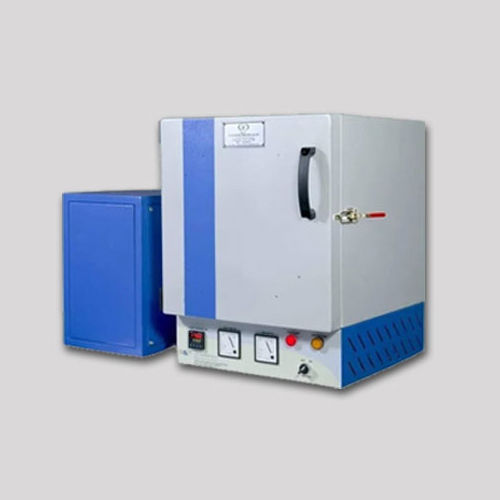
1800 Degree C Laboratory Furnaces
Price 950000 INR / Unit
Minimum Order Quantity : 10 Units
Feature : High Quality
Usage : Heat Treatment furnace
Condition : New
Size : Different Sizes Available


- Office Address : Flat No 61, Building No. 3, S No 305, Nirmal Park A Co-op Society,Pune - 411043, Maharashtra, India
- Phone : 07971190074
- Factory Address :
Gat No. 158, Next to Katraj Old Tunnel, Near Hotel Radha-Krishna,
Old Pune-Banglore High Way,
Shindewadi, Tal. - Bhor, Dist. Pune - 412 205.
GST : 27ABEPL6349N1Z3

 Send Inquiry
 Send Inquiry
 Send SMS
Developed and Managed by Infocom Network Private Limited.
